
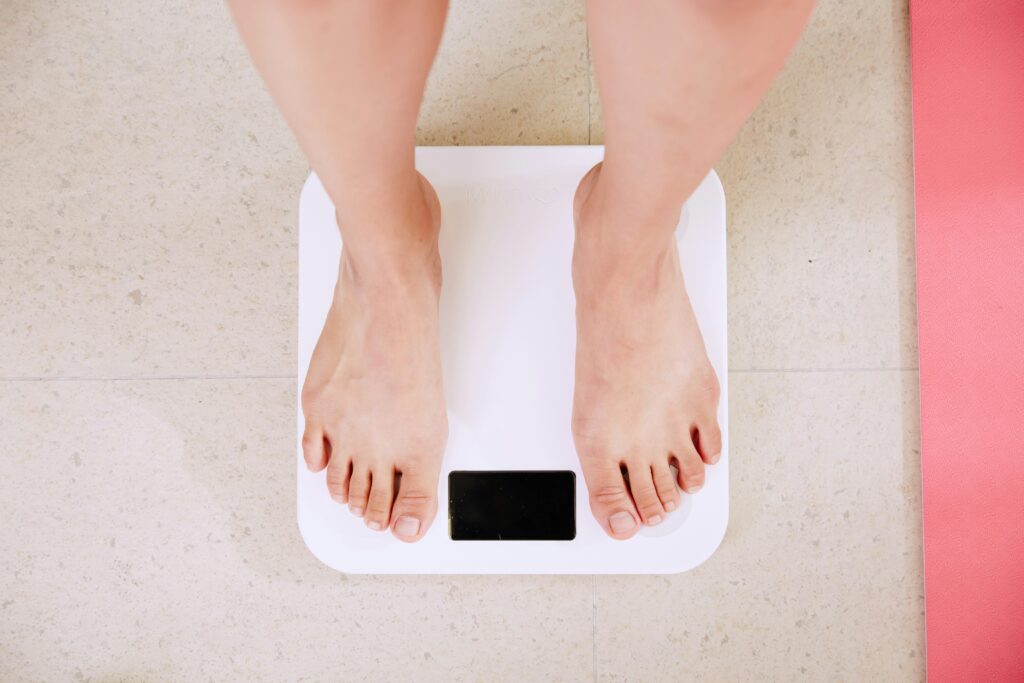
You have not changed what you eat. You have not stopped moving. But since starting nights, something in your body has quietly shifted. The weight is there in ways it was not before, and the usual explanations do not quite fit. You are not eating more, at least not obviously. You are not exercising less. And yet.
Night shift and weight gain are connected through a biological mechanism most overnight workers have never had explained to them. That missing explanation is why so many spend years blaming themselves for something their schedule is producing. Your body is not failing you. It is responding, predictably and measurably, to a set of conditions that tip the metabolic scales in one direction every single shift.
What Is the Connection Between Night Shift and Weight Gain?
Your metabolism is not a fixed engine running at a constant rate. It operates on a circadian schedule, with fat oxidation, insulin sensitivity, hunger hormone secretion, and energy expenditure all peaking and dipping at specific times of day. Those rhythms are calibrated to a world where humans eat during daylight and fast during darkness. Night shift work runs every one of those processes at the wrong time simultaneously, and the body has no graceful way to accommodate that.
A 2024 mixed-methods systematic review published in Obesity Reviews found that shift workers have 23 percent greater odds of being overweight or obese and 35 percent greater odds of abdominal obesity compared to day workers. That second number is the one worth sitting with. Abdominal obesity, the fat that accumulates around the organs rather than under the skin, carries the highest metabolic and cardiovascular risk of any fat distribution pattern. Night shift and weight gain is not producing a cosmetic problem. It is producing a clinical one.
Why Does Night Shift Cause Weight Gain? The Hormonal Explanation
This is where the night shift and weight gain story gets specific, and where most generic diet advice completely fails overnight workers.
Two hormones govern hunger and fullness: ghrelin, which triggers appetite, and leptin, which signals satiety. Both follow circadian rhythms tightly tied to the timing of sleep and wakefulness. A PNAS study examining circadian misalignment during simulated night shift work found that leptin levels decreased by approximately 41 percent on the second night of simulated shifts compared to baseline. Leptin is your fullness signal. A 41 percent reduction means the body is substantially less capable of telling you that you have eaten enough, at the precise hours when you are most likely to be eating.
Ghrelin pushes from the other direction. Research published in PMC found that sleep restriction elevates ghrelin and that elevated ghrelin directly predicted increased food intake during subsequent feeding opportunities. Poor daytime sleep keeps ghrelin elevated through the hours when appetite should be moderate. The result is a worker who is genuinely hungrier than their caloric needs require and simultaneously less able to recognise when those needs have been met. That combination, more hunger signal, less fullness signal, running simultaneously, does not require poor food choices to produce weight gain. It requires nothing except showing up to work.
Cortisol adds a third layer. A 2022 meta-analysis of 18 studies found that permanent night shift workers carried mean cortisol levels 22 percent higher than day workers across the full 24-hour cycle. Chronically elevated cortisol promotes fat storage specifically in the abdominal region, increases appetite for high-calorie foods, and impairs the insulin signalling that normally moves glucose into muscle cells rather than fat tissue. A 2024 Nature paper identified the specific molecular pathway: simulated night shift conditions trigger cortisol-dependent downregulation of the EGR3-HDAC6 pathway, accelerating the biological process of new fat cell formation. The body is not just storing more. It is being instructed to create more storage.
How Does Eating at Night Make Night Shift Weight Gain Worse?
When you eat matters as much as what you eat. For night shift workers, these two variables are in permanent conflict, and understanding why changes everything about how you approach food on overnights.
A 2022 randomised controlled crossover trial found that late eating significantly raised the ghrelin to leptin ratio, reduced waking energy expenditure, and lowered core body temperature compared to early eating of identical meals. Lower core body temperature and reduced energy expenditure are both markers of a slower metabolic rate. Controlled sleep lab data sharpen this further: the same 600-kilocalorie meal causes twice the glucose rise when eaten during the biological night compared to the biological day.
Insulin resistance effectively doubles in response to the same food depending on when it is consumed.
That is not a typo. The meal you eat at 3 AM produces a fundamentally different and more damaging metabolic response than the same meal eaten at 3 PM. For night shift workers, the biological night is when they are awake, active, and eating. This is not a choice. It is the schedule. And it means that even workers eating reasonable amounts of reasonable food are working against a timing disadvantage that compounds across every shift.
What Happens to Your Body Long-Term With Night Shift and Weight Gain?
Most workers notice the weight first. What they do not see is what the weight is signalling underneath.
A 17-year cohort study of the US workforce published in 2025 found that long-term night shift exposure was associated with progressive insulin resistance, rising triglycerides, and accumulating abdominal fat, with the effects compounding over time rather than stabilising. The night shift and weight gain problem does not reach a plateau after a year or two on overnights and then hold steady. It builds. Each year of circadian disruption without mitigation adds another layer to a metabolic picture that becomes progressively harder to reverse.
What eventually emerges in long-term night shift workers is metabolic syndrome, the cluster of abdominal obesity, elevated blood glucose, high triglycerides, low HDL cholesterol, and raised blood pressure. Every component of that cluster is both a consequence of the night shift and weight gain mechanism and a risk factor that makes the others worse. The workers who catch the weight gain early and address the biology behind it are not just managing how they look. They are interrupting a cascade.

What Actually Works for Night Shift and Weight Gain?
Here is what the research supports, adapted specifically for the biology of overnight work rather than borrowed from advice designed for people on entirely different schedules.
Eat your main meal before the shift, not after
The most evidence-backed dietary adjustment for night shift and weight gain is front-loading caloric intake. Eat your largest meal before you leave for work, when your insulin sensitivity is higher and your metabolic rate is better equipped to process it. During the shift, eat smaller, protein-forward food if needed. Avoid significant eating in the two to three hours before your post-shift sleep.
A 2025 systematic review and meta-analysis published in Nutrients found that time-restricted eating aligned with the daytime active phase improved glucose metabolism in shift workers and reduced the metabolic damage associated with circadian misalignment. This is not about skipping meals or extreme restriction. It is about moving calories to the hours when the body can handle them without twice the insulin response.
Build every shift meal around protein
Given that leptin suppression and ghrelin elevation are driving the night shift and weight gain hormonal environment, protein is the most strategically useful macronutrient available. It is the most satiating per calorie, produces the largest thermogenic effect of any macronutrient, and actively resists the muscle breakdown that chronic cortisol elevation and disrupted sleep are driving simultaneously.
A 2025 randomized controlled trial found that high protein intake at 1.6 grams per kilogram per day alongside resistance training reduced adipose tissue while preserving fat-free mass. For overnight workers packing shift food, leading with protein at every meal and snack, eggs, chicken, Greek yogurt, legumes, nuts, rather than carbohydrates or convenience food, directly addresses the hormonal environment that the shift is producing.
Exercise, but time it correctly
Exercise is one of the most powerful tools against the insulin resistance component of night shift and weight gain. Regular aerobic and resistance training improves insulin sensitivity, reduces visceral fat, and counteracts several of the metabolic consequences of circadian disruption. Timing matters for overnight workers specifically. Exercise immediately before a night shift can temporarily impair post-shift sleep onset. The most effective windows are after waking before an evening shift, or on days off. Two to three resistance sessions per week alongside regular moderate aerobic exercise produces measurable metabolic benefits that address the night shift and weight gain pathway at its root.
Treat sleep as a weight management tool
This is the connection most workers miss entirely. The leptin suppression and ghrelin elevation driving the night shift and weight gain mechanism are produced directly by poor daytime sleep quality. A worker who sleeps better eats less without trying to, because the hormonal pressure toward overeating is reduced. Every investment in daytime sleep, blackout curtains, white noise, consistent sleep timing, blue-blocking glasses on the commute home, is simultaneously a metabolic intervention. The two problems share a common root, and addressing sleep addresses weight at the same time.
For the complete post-shift sleep protocol, the guide to how to fall asleep after night shift covers the evidence and practical steps in full. For the nutrition framework that works alongside these adjustments, the full chrononutrition guide in eating on night shift covers the research in detail.
Stop applying standard diet advice to a non-standard schedule
A 2025 three-arm randomised controlled trial testing intermittent fasting strategies in 250 overweight night shift workers found no significant weight loss advantage of intermittent fasting over standard continuous energy restriction. What this tells you is that extreme dietary strategies are neither necessary nor superior for night shift and weight gain management. Consistent moderate caloric adjustment, somewhere between 300 and 500 kilocalories below maintenance, becomes genuinely achievable and sustainable once the cortisol, sleep, and eating timing variables are addressed alongside it. The supplement strategies that support cortisol management and metabolic resilience are covered in the guide to the best supplements for night shift workers.
Night shift and weight gain is biological, it is well-documented, and it is not the moral failure it is often treated as. Your schedule created a hormonal environment that tips every metabolic variable in the wrong direction at once. The workers who manage it are not the ones with the most discipline. They are the ones who stopped fighting their biology and started working with it instead.
Have you noticed changes in your weight since starting nights? What has made the biggest difference for you? Share it in the comments.