

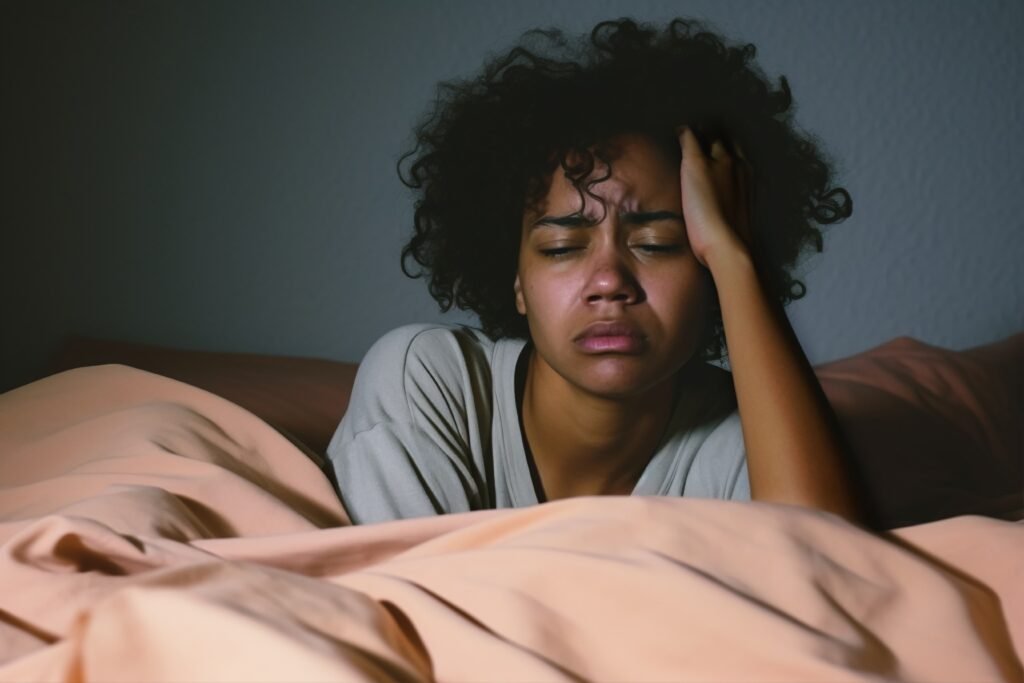
November arrived and something broke inside you. Not dramatically. Not all at once. Just a slow, creeping heaviness that settled into your bones like frost. You drive to work in darkness. You leave in darkness. The sun exists somewhere, you know it does, but you haven’t actually seen it in three weeks. Your bedroom curtains stay closed all day so you can sleep, and when you finally wake up at 5 PM, the world outside is already grey and dying.
Your coworkers who work days complain about the winter blues, about needing their morning coffee to fight the gloom. You want to laugh. They have no idea. They got sunlight during their lunch break. They saw the sky. You got fluorescent lights and the suffocating feeling that you’re slowly disappearing into an endless void where seasons don’t exist and time doesn’t matter.
Everything feels harder now. Getting out of bed. Pretending to care. Finding any reason to believe that spring will eventually come.
If night shift seasonal depression have you feeling like you’re drowning in darkness with no way out, you’re experiencing something that goes beyond normal winter sadness. Research from the National Institute of Mental Health shows that seasonal affective disorder (SAD) affects about 5% of adults in the U.S., but night shift workers face significantly higher risk due to the complete absence of natural light exposure during waking hours.
This isn’t weakness. This isn’t you being dramatic. Winter hits different when you work nights, and understanding why can help you survive until the sun comes back.
Why Night Shift and Seasonal Depression Create a Perfect Storm
Seasonal depression alone is brutal. Night shift work alone is challenging. Combine them and you get a level of darkness, both literal and metaphorical, that most people can’t comprehend.
The Sun Becomes a Myth
Here’s what happens to day workers in winter: they wake up when it’s dark, commute in weak morning light, get some sunlight through office windows during the day, and leave work in darkness. It’s not ideal, but they get some sun.
Here’s what happens to you: you wake up when it’s dark (around 4-6 PM in winter). You commute to work in darkness. You work all night under artificial lights. You drive home in darkness or weak dawn light. You close your blackout curtains and sleep through the entire day when the sun is actually out.
Total sunlight exposure during waking hours in winter? Close to zero.
Studies from the Sleep Research Society confirm that night shift workers in northern latitudes can go weeks or even months with virtually no natural light exposure during winter. Your body doesn’t just think it’s winter. It thinks you’re living in permanent darkness.
Your Circadian Rhythm Is Already Wrecked
Seasonal depression happens partly because reduced daylight disrupts your circadian rhythm and suppresses serotonin production while increasing melatonin. Your body gets confused about when to be awake and when to sleep.
Now add night shift work, which already completely scrambles your circadian rhythm. According to research from Harvard Medical School, night shift workers already struggle with circadian misalignment year-round. In winter, the lack of light exposure makes this exponentially worse.
You’re not just fighting seasonal changes. You’re fighting a biological system that’s receiving zero normal time cues and is basically screaming in confusion 24/7.
Serotonin Crashes Hard
Sunlight triggers serotonin production in your brain. Serotonin regulates mood, sleep, appetite, and energy. When you’re exposed to bright natural light, your serotonin levels rise. When you’re in darkness, they drop.
The American Psychiatric Association explains that people with seasonal depression have lower serotonin activity in winter months. For night shift workers who see almost no daylight, this drop can be severe.
Low serotonin doesn’t just make you sad. It makes everything harder. Food tastes bland. Nothing feels enjoyable. Your motivation vanishes. Simple tasks feel overwhelming. You can’t remember the last time you felt genuinely happy about anything.
Melatonin Timing Gets Destroyed
Your body produces melatonin when it’s dark to make you sleepy. Normally, this happens at night. For night shift workers, you’re trying to stay awake when your body is flooding you with melatonin, then trying to sleep during the day when melatonin production should be suppressed.
In winter, the extended darkness makes this even worse. Research published in the Journal of Affective Disorders shows that people with seasonal depression often have disrupted melatonin rhythms, producing too much melatonin or producing it at the wrong times.
When you combine that with night shift work and zero sunlight exposure, your melatonin regulation becomes completely chaotic. You feel exhausted all the time but can’t sleep properly. You’re drowsy during your shift but wired when you get home.
The Symptoms: When It’s More Than Just Winter Blues
Everyone feels a bit down in winter. But night shift seasonal depression is different. Here’s how to tell if what you’re experiencing goes beyond normal winter blah.
Classic Seasonal Depression Symptoms
According to the National Institute of Mental Health, seasonal affective disorder symptoms include:
- Feeling depressed most of the day, nearly every day
- Losing interest in activities you used to enjoy
- Having low energy or feeling sluggish
- Sleeping too much or having difficulty waking up
- Craving carbohydrates and gaining weight
- Having difficulty concentrating
- Feeling hopeless, worthless, or guilty
- Having thoughts of death or suicide
If you’re experiencing several of these symptoms consistently for weeks, especially if they started when winter began, you’re dealing with more than just being tired.
Night Shift-Specific Warning Signs
For night shift workers, seasonal depression can show up in additional ways:
- Extreme difficulty waking up for your shift, even after adequate sleep
- Feeling like you’re moving through thick fog during your entire shift
- Complete emotional numbness where nothing feels real anymore
- Intense isolation because you’re sleeping when everyone else is awake and you never see daylight
- Worsening sleep problems beyond your usual night shift struggles
- Physical symptoms like headaches, body aches, or digestive issues that get worse in winter
If you’re also struggling with anxiety on top of depression, our guide on managing night shift anxiety offers strategies that can help with both conditions.
What Actually Helps: Evidence-Based Strategies for Night Shift and Seasonal Depression
You can’t change the season. You probably can’t change your work schedule. But you can fight back against seasonal depression with strategies that actually work.
Light Therapy: Your Most Powerful Tool
This is non-negotiable. If you’re experiencing night shift and seasonal depression, you need bright light exposure, and you need it strategically.
Get a quality light therapy box. You need one that provides 10,000 lux and filters UV light. Position it about 16-24 inches from your face at a slight angle (not directly in front of you).
Timing matters critically. Studies from the American Academy of Sleep Medicine show that for night shift workers, the best time for light therapy is usually in the evening before your shift starts (around 6-8 PM). This helps shift your circadian rhythm appropriately and boosts alertness for your shift.
Use your light therapy box for 20-30 minutes while you eat, read, or get ready for work. Consistency is key. Do it every day, not just when you feel terrible.
Some people also benefit from a second light therapy session during their shift if possible, or immediately after their shift before sleeping.

Strategic Natural Light Exposure
Even weak winter sunlight is better than no sunlight. You need to make deliberate efforts to see actual daylight during your waking hours.
When you wake up in the late afternoon, go outside immediately, even for just 10-15 minutes. Stand near a window. Sit on your porch. Take a short walk. Do this before the sun sets completely.
On your days off, force yourself to be awake during some daylight hours. This might mean splitting your sleep or shifting your schedule temporarily. It’s not ideal for your circadian rhythm, but the mental health benefits of seeing the sun can outweigh the sleep disruption.
If you’re struggling to maintain a sleep schedule that allows any daylight exposure, check out our 7-day sleep schedule reset plan for strategies to find a compromise position.
Vitamin D Supplementation
When you’re not getting sunlight, your body can’t produce vitamin D. Low vitamin D is strongly associated with depression, and deficiency is extremely common in night shift workers during winter.
Research from the Endocrine Society suggests that vitamin D supplementation may help with seasonal depression symptoms. Talk to your doctor about getting your vitamin D levels tested and taking supplements if needed.
Most adults need 1,000-2,000 IU daily, but some people with severe deficiency need more. Don’t guess. Get tested and follow medical advice.
Movement and Exercise (Even When You Don’t Want To)
Exercise increases serotonin, endorphins, and other mood-regulating chemicals. It also helps regulate your circadian rhythm and improves sleep quality.
The problem? When you’re depressed, exercise feels impossible. You can barely get out of bed, and someone’s telling you to go for a run? Yeah, right.
Start absurdly small. Walk around your house for five minutes. Do ten jumping jacks. Stretch for three minutes. Literally anything that gets your body moving counts.
On your days off, try to get outside for a walk during daylight hours even if it’s cold. Bundle up and go anyway. The combination of movement, fresh air, and natural light is powerful.
During your shift, take movement breaks. Walk the stairs. Do desk stretches. Anything to keep your body engaged and your blood moving.
Social Connection (Even When You Want to Isolate)
Depression lies to you. It tells you that you’re a burden, that no one cares, that you should just stay in bed with the curtains closed forever. Every instinct screams at you to isolate.
Fight that instinct. Social isolation makes seasonal depression worse, especially for night shift workers who are already disconnected from normal social rhythms.
Text a friend. Call your mom. Join online communities of night shift workers who get it. Show up to social events even when you’d rather hide. You don’t have to be cheerful or pretend you’re fine. Just be present.
According to the Centers for Disease Control and Prevention, social connection is one of the most important factors for mental health and can significantly reduce symptoms of depression.
Even if you can’t manage in-person socializing, digital connection counts. Join our community where you can connect with others who understand what you’re going through.

Professional Help: Therapy and Medication
Sometimes self-help strategies aren’t enough, and that’s okay. Seasonal depression combined with night shift work can be severe enough to require professional treatment.
Therapy options that work: Cognitive behavioral therapy (CBT) has strong evidence for treating seasonal depression. Some therapists specialize in CBT-SAD, which is specifically designed for seasonal affective disorder.
Medication: Antidepressants, particularly SSRIs, can be effective for seasonal depression. Some doctors prescribe them preventatively before winter hits if you have a history of seasonal depression.
Don’t wait until you’re in crisis to seek help. If you’re struggling to function, having thoughts of self-harm, or experiencing severe symptoms, talk to a healthcare provider now.
Nutrition and Blood Sugar Management
When you’re depressed and working night shift in winter, you probably crave carbs constantly. Pasta, bread, cookies, anything that gives you a temporary boost. This is your brain desperately seeking serotonin.
The problem is that refined carbs cause blood sugar spikes and crashes that worsen mood and energy. You feel better for twenty minutes, then feel worse than before.
Focus on protein-rich foods, healthy fats, and complex carbohydrates. Eat regular meals even when you don’t feel hungry. Stay hydrated. Limit caffeine late in your shift so it doesn’t wreck your post-shift sleep.
Our 12-hour night shift meal plan offers strategies for eating in ways that support stable energy and mood throughout your shift.
When You Need More Than Coping Strategies
Sometimes night shift and seasonal depression become so severe that coping strategies aren’t enough. Here’s when you need to take more serious action.
Consider Taking Time Off
If you’re experiencing severe depression, using FMLA or sick leave to take time off during the worst winter months might be necessary. This isn’t giving up. This is recognizing that your mental health is a medical issue that sometimes requires accommodation.
Talk to your doctor about whether you qualify for medical leave. Document your symptoms. Be honest about how severe things have gotten.
Explore Shift Changes
Some employers will allow temporary shift changes for medical reasons. If switching to day shift for the winter months would give you access to more natural light and improve your depression, it’s worth asking.
You might not get a permanent change, but even a temporary switch from November through February could make a massive difference in your mental health.
Evaluate Whether Night Shift Is Sustainable
This is hard to think about, but important: if you experience severe seasonal depression every single winter while working nights, and it’s destroying your quality of life, it might be time to consider whether night shift work is sustainable for you long-term.
Some people’s mental health simply cannot handle the combination of night shift and winter darkness. That doesn’t make you weak. It makes you human with specific biological needs.
Your mental health matters more than any job. If night shift during winter is genuinely making you feel like you can’t survive, exploring other options isn’t failure. It’s self-preservation.

The Light Will Come Back
Here’s what you need to remember when you’re in the darkest part of winter, working nights, feeling like you’ll never be okay again: this is temporary.
The days are getting longer. Even when it doesn’t feel like it, even when you can’t see it because you’re asleep during daylight hours, the sun is coming back. Spring will arrive. The crushing weight will lift.
Seasonal depression lies to you. It tells you this is forever, that you’ll always feel this way, that nothing will ever get better. But you’ve survived every winter before this one, and you’ll survive this one too.
Use the strategies that work. Get help when you need it. Be gentle with yourself. Give yourself permission to struggle without judging yourself for it.
You’re fighting a battle that most people don’t see and can’t understand. You’re working against your biology, against the seasons, against the darkness. That takes incredible strength.
The sun will come back. You will feel better. Hold on.
Ready to Fight Back Against Seasonal Depression?
Struggling with more than just seasonal lows? Our comprehensive guide on what to do about night shift depression offers year-round strategies for protecting your mental health while working nights.
Having trouble sleeping even when you’re exhausted? Check out our guide on what to do when night shift insomnia won’t go away for strategies to finally get the rest you need.
Join the Nightshifters Community | Request a specific night shift guidance
Join our community of night shift workers who understand what you’re going through. Share your experiences with seasonal depression, discover what helps others survive winter, and find support from people who get it.
How do you cope with seasonal depression while working night shift? What helps you get through the darkest months? Drop your strategies in the comments below. Your experience might help someone else survive this winter.