

Your twenties forgave a lot. Three nights in, two nights out, back in again, and the body absorbed it, complained briefly, and moved on. By your forties, that transaction has changed terms. Recovery takes longer. Sleep debt compounds faster. The things you used to shake off in a day now follow you into the next shift. This is not weakness. It is biology, and understanding exactly what is happening makes it a problem you can manage rather than one you simply endure.
Working night shift over 40 does not mean your career is unsustainable. It means your approach needs to be more deliberate than the one that worked a decade ago. Here is what the research actually says, and what to do with it.
What Does Working Night Shift Over 40 Do to Your Biology?
The short answer is that it accelerates certain aging processes in ways that are now measurable at the cellular level. A 2025 prospective cohort study published in QJM: An International Journal of Medicine analyzed 192,764 participants from the UK Biobank and found that usual night shift workers showed statistically significant accelerated biological aging compared to day workers, with life expectancy reduced by 0.94 years at age 45. Permanent night shift workers showed 1.30 additional years of biological aging compared to day workers, with the effect worsening as both frequency and duration of night shift work increased.
A separate 2024 study published in Age and Ageing from Shanghai Jiao Tong University confirmed the same pattern using PhenoAge, a validated blood biomarker measure of biological age, finding that both current and lifetime night shift work were independently associated with accelerated biological aging. BMI mediated roughly 28 to 42 percent of this association, which means weight management is not cosmetic for people working night shift over 40. It is mechanistically connected to how fast your body is aging.
None of this means night shift work is a death sentence. It means the biological margin for ignoring self-care narrows significantly after 40, and the people who do best on overnights in their forties and fifties are the ones who treat health maintenance as part of the job.
How Does Working Night Shift Over 40 Change Your Cardiovascular Risk?
This is the health domain where the research is most consistent and most urgent. A 2025 dose-response meta-analysis published in Frontiers in Public Health, examining multiple large cohort studies, found that night shift work was significantly associated with increased cardiovascular disease incidence and mortality, with the risk rising alongside longer duration and higher frequency of night work. Night shift workers face roughly a 40 percent higher risk of cardiovascular disease compared to day workers, and metabolic syndrome risk is approximately 1.5 times higher.
After 40, this is compounding against a background of natural cardiovascular change. Blood pressure tends to rise with age. Arterial elasticity decreases. The metabolic flexibility that allowed your body to buffer circadian disruption in your twenties is reduced. Night shift work over 40 does not create cardiovascular risk from nothing. It accelerates a process that is already in motion and removes several of the natural buffers that slow it down.
The practical response is active monitoring, not panic. Blood pressure checks every three to six months rather than annually. Fasting glucose and lipid panels at your yearly physical. Regular movement built into your routine on both work days and days off. The research is clear that physical activity is one of the most effective moderators of night shift cardiovascular risk across age groups.
What Happens to Your Hormones When You Work Night Shift Over 40?
For women working night shift over 40, the hormonal picture is particularly layered. Natural perimenopause typically begins in the early to mid-forties, bringing declining oestrogen and progesterone alongside the sleep disruption that night shift already produces. Research published in PMC found that up to 40 to 60 percent of women in midlife report significant sleep disturbances tied to hormonal changes, and night shift work places an additional circadian disruption on top of that existing vulnerability. Hot flashes and night sweats that would be manageable for a day worker become significantly more disruptive when your sleep is already compressed and occurring at the wrong time of day.
There is also evidence that night shift work accelerates the onset of menopause itself. A large prospective study found that women who worked 20 or more months of rotating night shifts had a measurably higher risk of earlier natural menopause compared to women without night shift exposure. For women approaching 40 working overnight schedules, this is not a reason to leave the profession. It is a reason to have an honest conversation with a gynecologist about symptoms, monitoring, and options.
For men working night shift over 40, the relevant hormonal picture centers on testosterone. Research published by ScienceDaily confirms that working nights and being on-call is associated with reduced testosterone levels, with the mechanism being the well-established link between sleep quality and testosterone production. Testosterone naturally declines by approximately one to two percent per year after age 30. Night shift work, particularly when it produces chronic sleep deprivation, can accelerate that decline. Symptoms like reduced energy, lower mood, decreased motivation, and longer physical recovery are easy to attribute to the job itself. Sometimes the job is the cause at a hormonal level.
What Does Night Shift Over 40 Do to Your Brain and Sleep Architecture?
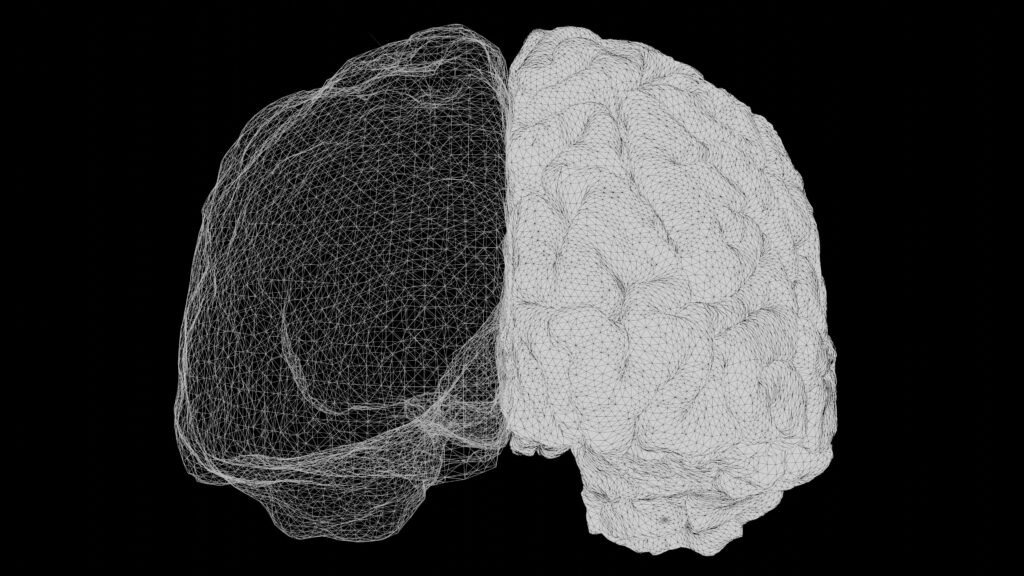
This is an area where the 2024 research added something important and specific. A 2024 study published in Sleep Medicine found that long-term night shift work in female nurses was associated with accelerated brain aging and worsened N3 sleep, the deep slow-wave stage responsible for physical repair and memory consolidation. A separate 2025 neuroimaging study published in Frontiers in Aging Neuroscience found a measurable brain age gap in shift workers compared to day workers, linked to circadian misalignment increasing oxidative stress and neuroinflammation.
N3 sleep is what your body uses to repair muscle, consolidate memory, regulate hormones, and clear metabolic waste from the brain. When night shift work degrades N3 across years, the accumulated deficit shows up as cognitive fogginess, slower reaction time, mood instability, and physical recovery that takes longer than it should. After 40, when N3 sleep is naturally beginning to reduce with age anyway, night shift work compounds that reduction from two directions simultaneously.
The practical implication: sleep quality matters more than sleep quantity after 40 on night shift. Six hours of uninterrupted, properly dark, noise-managed daytime sleep does more for you than eight hours of fragmented sleep in a room that is not fully blacked out. Your investment in sleep infrastructure, blackout curtains, white noise, a cool room, blue-blocking glasses on the commute home, pays larger dividends in your forties than it did in your thirties.
What Should Night Shift Workers Over 40 Know About Vitamin D?
This is one of the most underappreciated health gaps for older night shift workers. A systematic review and meta-analysis published in PMC confirmed that shift work, particularly night shift work, is a significant risk factor for vitamin D deficiency, since night workers miss the midday UVB exposure that is the primary driver of natural vitamin D synthesis. Observational data from ICU nurses show average serum vitamin D falling by 20 to 40 percent after sustained night shift rotations.
After 40, this matters for three converging reasons. Vitamin D deficiency in midlife is independently associated with higher cardiovascular risk, impaired immune function, and accelerated bone density loss. The body’s ability to synthesize vitamin D from sun exposure also decreases with age. And night shift workers are structurally removed from the primary source of natural vitamin D production. Three factors, all pointing the same direction.
The fix is straightforward: get your 25-OH vitamin D level tested at your next health check. If it is below 30 ng/mL, supplementation with vitamin D3 combined with K2 is the well-evidenced response. Our full breakdown of the best supplements for night shift workers covers the vitamin D3 and K2 combination, appropriate dosing, and what the research says about timing.
How Do You Protect Your Sleep When Working Night Shift Over 40?
The recovery strategies that work for older night shift workers are the same ones that work for younger workers, but the tolerance for getting them wrong is smaller. A 20-year-old can skip the blackout curtains for a week and absorb the sleep debt. At 45, that same week shows up in your mood, your cognition, your blood pressure, and your body composition in ways that take longer to reverse.
Sleep anchor scheduling is the most important structural tool. Identify a core 4 to 6 hour window that remains consistent regardless of whether you are working or off, and protect it as non-negotiable. Resist the urge to fully flip back to a daytime schedule on your days off. The circadian whiplash of constant reversal is harder on the body after 40 than sustained misalignment on a consistent schedule. For detailed guidance on sleep scheduling and pre-shift nap strategy, the guide to napping on night shift covers the evidence in full.
Physical activity is the other non-negotiable. A 2025 study from King’s College London published in ScienceDaily found that biological clocks are key to muscle health in shift workers, with circadian disruption accelerating muscle degradation. Resistance training two to three times per week, at whatever point fits your schedule, actively counteracts the muscle loss that night shift work and aging are producing simultaneously. This is not about gym aesthetics. It is about preserving the physical resilience that determines how the next decade of overnight work feels on your body.
Working night shift over 40 is a different proposition than working nights at 28. The biology has changed, the recovery window is shorter, and the accumulated risk is real. But it is also a manageable proposition for workers who treat their health with the same deliberateness they bring to their clinical or technical skills. The ones who do it well at 50 are not the ones with the best genetics. They are the ones who stopped improvising.
If you are working nights over 40, what has shifted most for you compared to your earlier years on overnight schedules? Share it in the comments.